MATERIALS FOR MODERN WORK
Materials For Modern Work
Materials shape the feeling of a workspace before a single task begins. Texture, tone, and finish all contribute to how people experience focus, comfort, and quality.
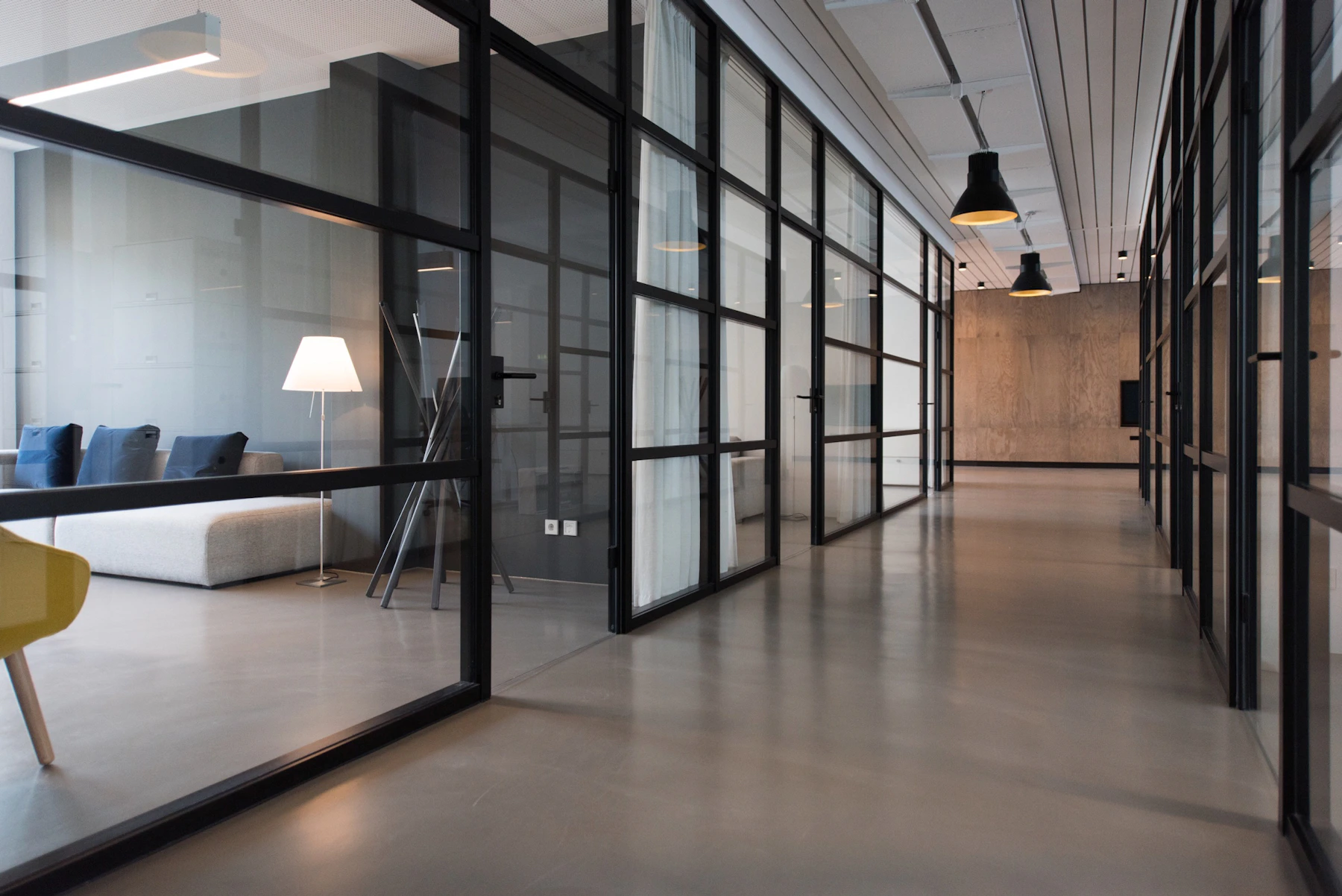
Good office furniture begins with materials. Before a desk becomes a workstation or a chair becomes part of a meeting room, every surface, edge, and finish has to be considered.
Materials carry the atmosphere of a space. Warm wood can make an office feel grounded. Soft upholstery can create comfort without becoming casual. Matte metal can add structure and precision. Stone-inspired surfaces and neutral laminates can bring quiet depth to modern interiors.
At STRIDEDESK, material selection is not treated as decoration. It is part of the function. A desktop must support daily use while maintaining a refined appearance. Seating upholstery must feel comfortable, durable, and appropriate for professional environments. Storage and reception pieces need finishes that look calm from a distance and considered up close.
Wood tones create visual warmth for executive desks, conference tables, and shared office systems.
Textured seating brings comfort into professional spaces without making the room feel casual.
Low-gloss metal bases and frames give structure, precision, and quiet visual stability.
Low-saturation finishes help furniture sit calmly within modern architecture and daily work.

Surfaces that support the room.
Modern offices benefit from materials that are durable, refined, and quiet enough to let the work stay central.
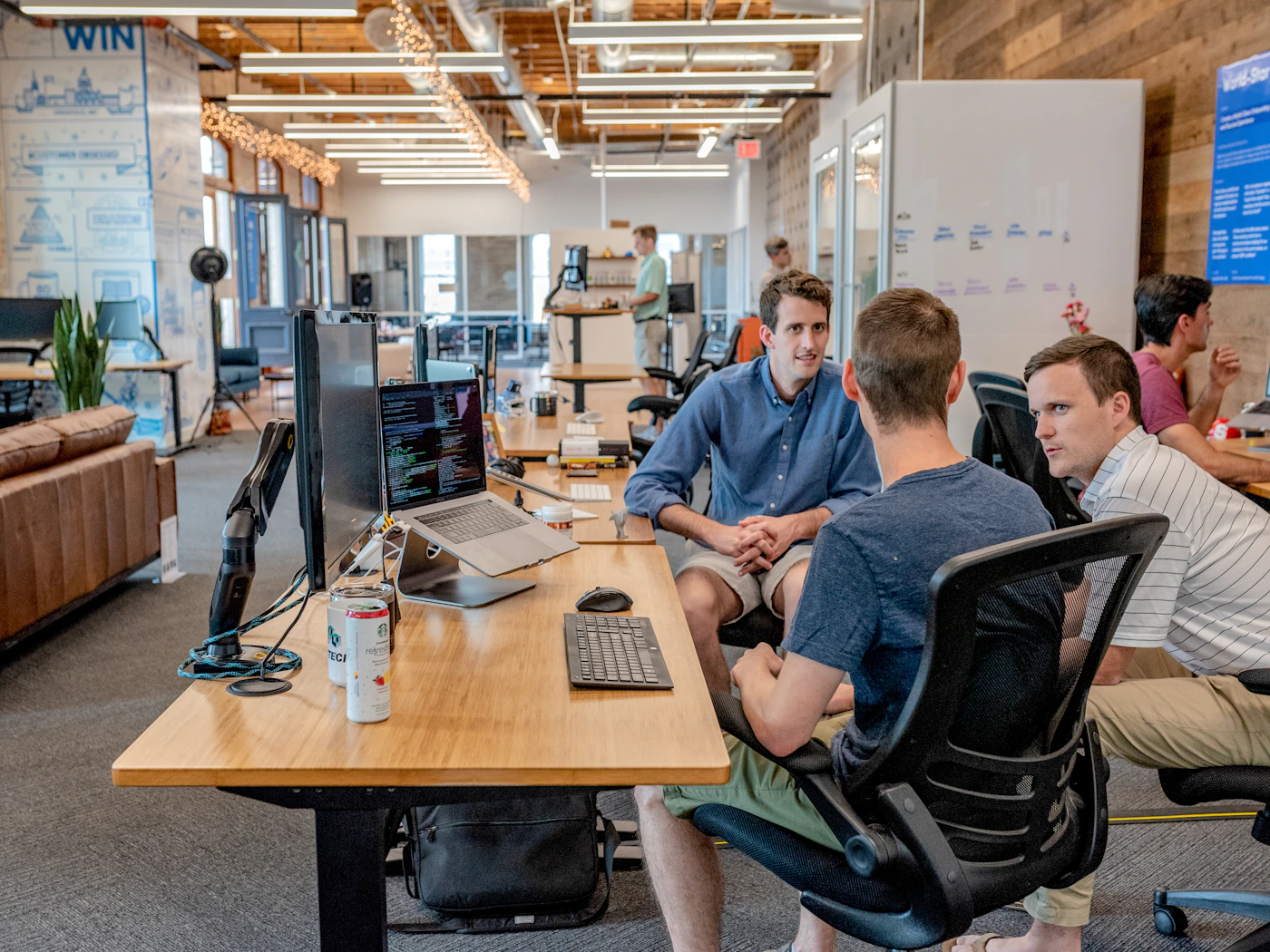
Depth without visual noise.
Subtle contrast between wood, metal, upholstery, and neutral surfaces gives the workspace a lasting sense of refinement.

A limited palette can feel more refined.
Modern workspaces benefit from materials that do not overwhelm the eye. Low-saturation tones, natural textures, and subtle contrasts allow furniture to sit confidently within the architecture. This creates a space that feels elevated without becoming loud.
For desktops, meeting tables, credenzas, and executive storage.
For task chairs, visitor chairs, lounge seating, and acoustic comfort.
For frames, legs, supports, and precise structural lines.
For reception desks, workstations, training tables, and storage systems.

Daily durability with a composed surface.

Comfort that still reads professional.

Quiet fronts, clean edges, lasting order.
The most refined offices are often built from a limited palette. Instead of mixing too many colors or finishes, they rely on proportion and detail. A precise edge, a smooth drawer front, a quiet fabric texture, or a balanced wood grain can define the quality of the entire room.
Material decisions also affect longevity. Furniture that feels timeless is easier to keep, adapt, and reuse as the workspace changes. This is especially important for offices that want to invest in pieces that remain relevant beyond a single design trend.

Materials that remain relevant.
Timeless finishes help office furniture adapt as teams, layouts, and workplace needs continue to evolve.
Calm is built through detail.
A refined workspace is not created by one surface alone. It is the total rhythm of wood, fabric, metal, edge, proportion, and use.
Modern work requires furniture that is practical, durable, and calm. The right materials help create that balance. They support the daily rhythm of the office while giving the space a lasting sense of refinement.
STRIDEDESK helps shape professional environments through considered office furniture, quiet finishes, and material decisions that support real daily performance.