DESIGNING QUIET WORKSPACES
Designing Quiet Workspaces
A quiet workspace is not defined by silence alone. It is shaped by proportion, material, light, and the furniture systems that help people stay focused without feeling enclosed.
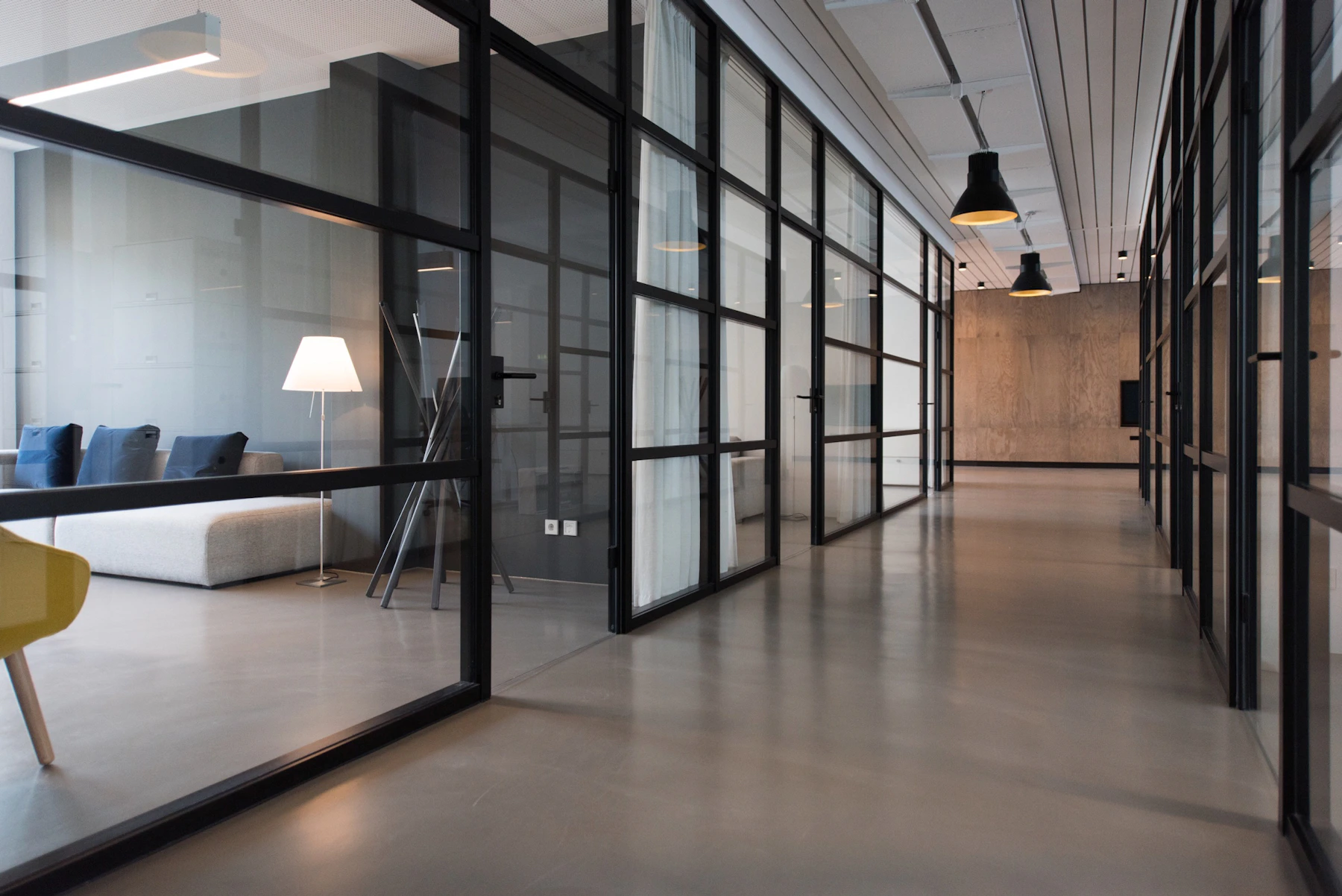
Modern offices are expected to do more than provide desks and chairs. They need to support concentration, movement, collaboration, and privacy within the same environment. The most effective workspaces achieve this through restraint: fewer distractions, clearer surfaces, and furniture that creates structure without visual noise.
At STRIDEDESK, we believe quiet work begins with intentional planning. A focused office does not need to feel cold or rigid. It can feel open, composed, and deeply functional when every detail is considered.
Workstations with refined screens, balanced spacing, and clean cable management help define personal zones while maintaining a sense of openness. These details allow teams to work alongside one another without unnecessary interruption. The result is a workspace that feels calm, efficient, and easy to use throughout the day.
Generous surfaces and measured spacing help the office feel composed rather than crowded.
Warm wood, soft upholstery, and matte finishes reduce visual fatigue across the day.
Integrated storage keeps everyday tools close, but visually quiet and controlled.
Clear circulation gives teams room to focus, meet, reset, and return to work naturally.

Furniture that keeps the room open.
Clean-lined desks, controlled storage, and generous spacing help teams work near one another without creating visual pressure.

Conversation without clutter.
Conference tables and seating should support clear sightlines, practical technology, and a calm professional tone.
Material choice also plays a key role. Soft neutrals, matte finishes, warm wood tones, and low-reflective surfaces reduce visual fatigue. When paired with ergonomic seating and generous desk proportions, the office becomes less about constant activity and more about sustained performance.
Quiet design is not minimal for the sake of emptiness. It is minimal because every element has a purpose. A considered desk, a well-positioned chair, and a balanced layout can change the entire rhythm of a room.

Soft tone, lasting performance.
Quiet materials support daily use while allowing the architecture and furniture to feel like one complete system.
Quietness is a form of workplace luxury.
It gives people room to think, meet, and create without the space asking for attention. That is the kind of workspace STRIDEDESK designs for: composed, capable, and ready for focused work.
For companies building modern offices, quietness is becoming a mark of refinement. The best workspaces feel intentional from the first view to the final detail: balanced desks, supportive seating, considered storage, and materials selected for real daily performance.
STRIDEDESK helps shape work environments that feel calm, efficient, and ready for the way modern teams actually work.